
Science
11 min read
Siloxanes in Cosmetics: India’s Beauty Safety Blind Spot
September 25, 2026Read
TikTok turned skincare into performance art. Your skin didn't ask for a 9-act production. Here's what the science actually says.
Somewhere between 2020 and now, skincare stopped being about skin. It became content. It became identity. It became the thing you film at 6 AM with ring lighting and a marble tray while whispering about your "holy grail" niacinamide serum like it's a religious experience.
And look, no judgment if that's your thing. But let's have an honest conversation about what's actually happening to your face when you layer nine products every morning because a 22-year-old with a brand deal told you to.
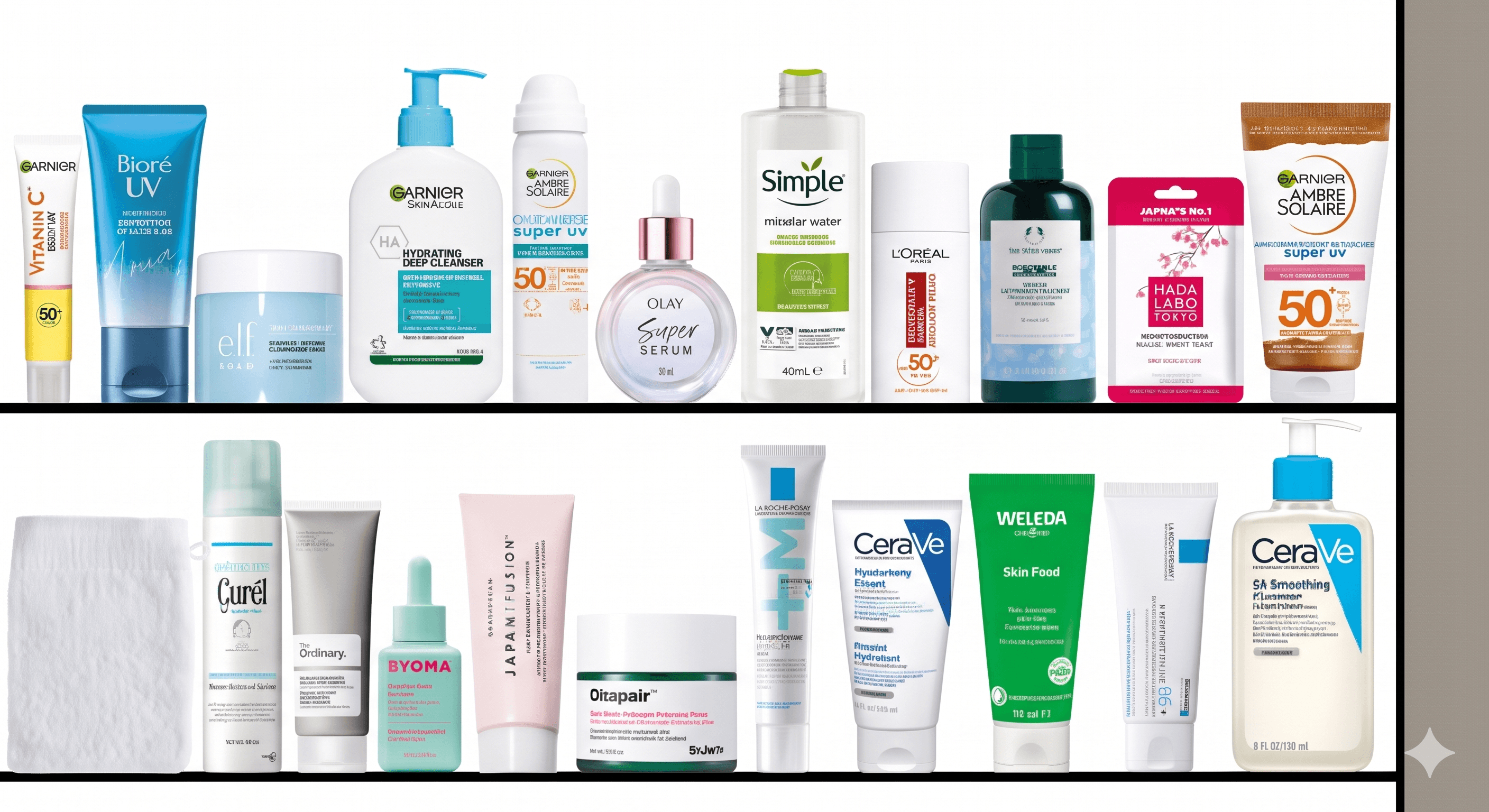
The skincare "shelfie" is arguably the most effective piece of consumer marketing this generation has ever produced, and nobody even had to pay for it. You did it for free. You bought the products, arranged them prettily, photographed them, posted them, tagged the brands, and became a walking billboard. Congratulations.
Here's what the shelfie culture actually incentivises: buying more products. Not better ones. Not the right ones for your skin. Just more. Because a three-product routine doesn't photograph well. It doesn't get engagement. It doesn't feel like you're "investing in yourself."
The dermatological reality is significantly less aesthetic. Most people need a cleanser, a moisturiser, and sunscreen. That's it. Three products. Maybe four if you have a specific concern like acne or hyperpigmentation that warrants one targeted active. The nine-step routine isn't skincare. It's a hobby cosplaying as health.
Every product you add to your routine is another set of ingredients interacting with your skin barrier and with each other. Some of those interactions are fine. Some are actively counterproductive.
Layering a retinol with an AHA? You're not being diligent. You're carpet-bombing your moisture barrier. Stacking three different serums with overlapping actives? You're not getting triple the results. You're getting irritation, sensitisation, and sometimes the exact breakouts you were trying to prevent.
Dermatologists have a term for this: over-treatment. It's increasingly common in patients under 30, and the primary driver isn't bad skin. It's social media.
People with perfectly healthy skin are creating problems by over-exfoliating, over-treating, and over-layering because their feed told them that healthy skin requires effort, performance, and a minimum of seven steps. It doesn't.
Remember when hyaluronic acid was going to save us all? Then it was niacinamide. Then retinol. Then snail mucin. Then peptides. Then ceramides. Then bakuchiol for people who were scared of retinol but still wanted to say they were using an active.
Every single one of these ingredients has legitimate science behind it. That's not the problem. The problem is how they're marketed: as must-haves, as non-negotiables, as things your routine is "incomplete" without. That framing exists to sell you a new product every quarter. It has nothing to do with what your specific skin needs.
Your skin doesn't follow trends. It doesn't know that peptides are having a moment. It has a barrier, and it either works or it doesn't. The ingredients that help your skin depend on your skin's actual condition, not on what's trending on SkinTok this month.
This one should be obvious, but apparently it's not: the person recommending your skincare routine should ideally have a medical degree. Or at least a cosmetic chemistry background. Or, at the absolute minimum, no financial stake in you buying the product they're recommending.
Most skincare influencers fail all three criteria. They are not doctors. They are not chemists. And they are being paid, either directly through sponsorships or indirectly through affiliate links, to recommend the exact products they're enthusiastically promoting. That doesn't make them liars. But it makes them salespeople. And you should treat their advice accordingly.
The really insidious part is that the format itself hides the incentive. A TikTok "morning routine" video doesn't feel like an advertisement. It feels like a friend sharing a tip. That's by design. And it works because you trust the format, even when you'd never trust the same claim in a banner ad.
Here's the unsexy truth that no one on your For You Page will tell you because it doesn't generate content:
That's it. Four things. It doesn't make a good shelfie. It's not a vibe. But it's what your skin actually needs.
Nobody is saying you can't enjoy skincare as a ritual. If the nine-step routine brings you joy, by all means, keep doing it. But be honest with yourself about why you're doing it. If it's self-care, great. If it's because you genuinely believe your skin requires nine products to function, that belief was manufactured by the people selling you those products.
Your skin is not broken. It's not a project. And it definitely didn't ask you to layer a vitamin C serum, two toners, a retinol, an eye cream, and a sleeping mask on it every night.
Sometimes the most radical thing you can do for your skin is less.
Want to know if the products in your routine are actually doing anything?
Check Your IngredientsIndia's regulatory landscape is changing. The Clean Sheet™ certification separates compliant brands from those flying blind. The founding cohort is open now.
Join The Clean Sheet™ community
Science-backed beauty tips, ingredient alerts, and early access. Straight to your WhatsApp.
Join for free →